02 03 04

Rabu, 26 Oktober 2011

Keajaiban Otak pada Anak-anak

Keajaiban Otak pada Anak-anak

Saat lahir otak bayi memiliki 100 miliar neuron, kira-kira sebanyak bintang di galaksi Bima Sakti. Otak BAYI sudah dilengkapi satu triliun glia. Sel glia (dari bahasa Yunani yang berarti perekat), membentuk semacam sarang yang melindungi dan memberi makan neuron.
Saat anak usia 3 tahun, sel otak telah membentuk sekitar 1000 triliun jaringan koneksi (sinapsis) yang berbentuk seperti tentakel gurita dalam ukuran nanomikroskopis .Jumlah ini 2 kali lipat, lebih banyak dari yang dimiliki orang dewasa. Setiap satu sel otak dapat berhubungan dengan 15.000 sel lain. Jaringan koneksi yang jarang digunakan akan mati, sedangkan yang sering digunakan akan semakin kuat dan permanen. Setiap rangsangan/stimulasi yang diterima anak melahirkan sambungan baru, dan memperkuat sambungan yang sudah ada, faktor biologis berupa triliunan sambungan antara neuron yang banyak dan melebihi kebutuhan selanjutnya,seiring berjalannya waktu menuju kedewasaan melalui suatu proses alamiah (teori Darwin) otak memusnahkan sambungan yang jarang digunakan, sehingga yang tertinggal adalah otak yang pola emosi dan pola pikirnya unik/tetap yang membentuk kepribadian dan karakteristik pada saat dewasa nanti pola berpikir, sifat, prinsip, cara pandang,dll. Contoh: Anak yang nakal/pembuat onar dan si Anak penurut didalam kelas, si anak nakal mungkin berpikir kok bisa ya? orang senurut itu..belajar. Kalem2 saja..begitu juga sebaliknya si anak penurut memandang dan menilai pola perilaku si anak nakal).
Trilyunan sel otak AKTIF adl kelebihan yg dimiliki anak balita. Maka dari itu, balita memiliki kecerdasan dan kemampuan belajar 7 kali lebih baik dibanding mns dewasa. jml sel otak aktif tsb semua terhubung dgn baik dan sehat bila dibanding sel otak aktif orang dewasa yg sel otaknya mati setiap 8 jam sekali. Otak manusia berhenti 'belajar' / memasukkan input memori pd usia 10 thn. Selanjutnya, cm 'bekerja' utk merangkai jalan menuju memori tersimpan dan mengembangkannya sesuai kebutuhan (penalaran).
Demikian, anak balita jg memiliki penalaran objektif dan subjektif yg sering disalahpahami oleh orang tua serta memiliki 'sensing ability' (kemampuan merasakan dan menilai hal sebagaimana adanya/konkret) jauh di atas manusia dewasa. itulah mengapa pada anak2 sering ditemui kasus-kasus yang seringkali merepotkan para orang tua contohnya berkhayal,imaginasi yang tinggi jauh melebihi rata-rata orang dewasa.

Sekedar info tambahan, bahwa saat ini rata-rata dunia kerja dan pendidikan kita baru memanfaatkan otak manusia rata-rata maksimal hingga 2% , sehingga terdapat 98% potensi yang belum dimanfaatkan. Bahkan Ilmuwan besar layaknya Albert Einstein pun ternyata baru memanfaatkan total 3% saja dari kemampuan otaknya, bayangkan bila seluruh potensi kemampuan otak ini dapat dibangkitkan dan dimanfaatkan.


Sesungguhnya sangatlah jenius saat kita dewasa namun kita masih memiliki imajinasi yang kuat dan cara berpikir seperti anak-anak (dlm segi positif) yang melihat setiap hal apa ada nya,tidak ada yang membatasi dalam pola pikir. melihat sesuatu yang menjadikan seseorang berkarasteristik tidak ada yang mustahil di dunia ini..karena masih banyak sekali kemungkinan-kemungkinan yang dapat terjadi. Seperti kutipan Albert Enstein "logika dapat membawa anda dari A ke B, tetapi Imajinasi dapat membawa anda kemana-mana"

Sumber:  http://haxims.blogspot.com/2009/12/keajaiban-otak-pada-anak-anak.html#ixzz1brDvVBYw

Green River Formation Fossils

Green River Formation Fossils


Spectacular fish, plant, insect, bat, bird, turtle, horse and other types of fossils have been found


Story of the Green River Formation


Rocks of the Green River Formation contain a story of what the environment was like about 50 million years ago in what is now parts of Colorado, Utah and Wyoming (see map in right column). At that time, forces within the Earth were almost finished with the job of uplifting the Rocky Mountains and the landscape consisted of rugged mountains separated by broad intermountain basins.

Streams draining the steep mountains carried large amounts of sand, silt, mud and dissolved minerals into lakes that occupied the intermountain basis. Over time the sand, silt and mud began infilling the lakes. The dissolved minerals altered the chemistry of the lake waters. Abundant plants grew on broad swampy areas that developed around the margins of the lakes.


Oil Shales and Coals

The Green River climate was moist and warm - perfect for rapid plant growth. This allowed a dense community of plants to spread across the swampy areas along the lake margins. These plants dropped a steady supply of leaves, branches, seeds and woody materials into the swamp waters. The water cover of the swamp protected the plant debris from decay and it accumulated rapidly. The plant debris layers grew thicker and more extensive over time. Eventually the layers of plant debris were buried and transformed into coal seams.
Conditions in the lakes were also idea for thriving blooms of blue-green algae. They spread over many parts of the lakes as a thick skum of green filaments and strands. For several million years enormous amounts of algal debris sank to the bottom and was incorporated into the lake sediments. Through time the algae-rich sediments were transformed into the largest oil shale resource on Earth.

The Green River Lagerstätte

A lagerstätte is a sedimentary rock unit with an extraordinary fossil content. The Green River swamps and lakes provided an exceptional environment for fossil formation. The lakes and swamps were calm environments where remains were quickly buried by sediment. This resulted in one of Earth's most spectacular deposits of exceptionally preserved plants, animals, insects and fish.

Large teeth and rear-placed fins make Phareodus encaustus well suited for catching and eating other fish. View more Green River fish fossils. National Park Service - Fossil Butte National Monument photograph


Varved Sediments

In some parts of the lakes, sediments were deposited in very thin layers known as varves (see photo below right). A thin layer of dark-colored sediment was deposited during the growing season and a thin layer of light-colored sediment was deposited in winter. The varves ranged in thickness from a fraction of a millimeter to a few millimeters each. Some of the most detailed and highly preserved fossils are contained in varved sediments composed of very fine-grained lime mud. When these thinly layered rocks are split the smooth bedding surfaces often reveal a delicately-preserved fossil. Millions of Green River fossils have been collected by amateur and professional collectors. They are now in collections, exhibits and museums around the world. Photographs of a number of specimens are presented on this page. These photographs are from the archive of the National Park Service.

This 5.5 inch long bat is the most primitive bat known. Claws on each finger of its wings indicate it was probably an agile climber and crawled along and under tree branches searching for insects. View more Green River animal fossils. National Park Service - Fossil Butte National Monument photograph.

The Green River Formation is best known among paleontologists for its superbly preserved fossil fish. Some slabs of the Green River Formation contain hundreds of individual fish and likely represent an instantaneous die-off. Dozens of fish species have been identified. One species, Knightia, a small fish, usually less than six inches in length is especially common. Specimens of Knightia have made their way into thousands of fossil collections around the world.  An abundance of fossil plants have be found in sediments that accumulated along the edges of the lake. Palm leaves, ferns and sycamore leaves are very common fossils of these Green River swamp sediments. Fossil of turtles, bats, birds, mammals, snakes and crocodiles have also been found in the Green River Formation.

Two hundred and seventy six leaves, seeds and flowers are known from the Fossil Lake deposits. Fossil plants are key in determining the climate of past environments. View more Green River plant fossils. National Park Service - Fossil Butte National Monument photograph.


Many species of insects are found in the Green River Formation including dragonflies. The wetland margins of Fossil Lake provided ideal breeding and foraging opportunities. View more Green River insect fossils. National Park Service - Fossil Butte National Monument photograph.

Age of the Green River Fossils

Determining an accurate age for a rock unit can be very difficult. However, rocks of the Green River Formation have been dated to within a few million years through the analysis of volcanic mineral grains.
Volcanoes in what is now Yellowstone to the north and the San Juan volcanic field to the south produced occasional ash clouds that dropped thin layers of volcanic ash into the calm lake waters. These ash layers were preserved and contain tiny mineral grains that crystallized during the volcanic eruption. Researchers have collected samples of these ashfall layers and through analysis have determined the crystallization date of the tiny volcanic grains. They indicate that the lakes are about 50 million years old and span a time interval of several million years during the early to mid Eocene Epoch.

Map showing the geographic extent of the Green River Formation of Colorado, Utah and Wyoming. Map by Geology.com.


Varves in organic marlstone from a bed about 1800 feet above the base of the Green River Formation. The darker bands of rock contain the most organic matter. Garfield County, Colorado. 1927. Image by USGS.

Source:  Geology.com news and information about Geology. http://geology.com/articles/green-river-fossils/

Sabtu, 22 Oktober 2011

Prerequisites for Geoengineering Earth's Climate


Prerequisites for Geoengineering Earth's Climate

Geoengineering -- deliberate manipulation of the Earth's climate to slow or reverse global warming -- has gained a foothold in the climate change discussion. But before effective action can be taken, the Earth's natural biogeochemical cycles must be better understood.

Volcanoes Driving the Carbon Cycle

An 18 km-high volcanic plume from one of a series of explosive eruptions of Mount Pinatubo beginning on 12 June 1991, viewed from Clark Air Base (about 20 km east of the volcano). Three days later, the most powerful eruption produced a plume that rose nearly 40 km, penetrating well into the stratosphere. Photograph by David H. Harlow, USGS.

Two Northwestern University studies, both published online recently by Nature Geoscience, contribute new -- and related -- clues as to what drove large-scale changes to the carbon cycle nearly 100 million years ago. Both research teams conclude that a massive amount of volcanic activity introduced carbon dioxide and sulfur into the atmosphere, which in turn had a significant impact on the carbon cycle, oxygen levels in the oceans and marine plants and animals.

Oxygen Level Clues from Carbon-Rich Sediments

Formation of organic rich sediment layer offshore from degraded plankton in an anoxic environment. USGS image.

Both teams studied organic carbon-rich sediments from the Western Interior Seaway, an ancient seabed stretching from the Gulf of Mexico to the Arctic Ocean, to learn more about a devastating event 94.5 million years ago when oxygen levels in the oceans dropped so low that one-third of marine life died.
The authors of the first paper, titled "Volcanic triggering of a biogeochemical cascade during Oceanic Anoxic Event 2," reveal that before oxygen levels dropped so precipitously there was a massive increase in oceanic sulfate levels. Their conclusion is based on analyses of the stable isotopes of sulfur in sedimentary minerals from the central basin of the Western Interior Seaway, located in Colorado.
A Cascade of Biogeochemical Events
The researchers theorize that a massive amount of volcanic activity caused this sulfate spike, which triggered a cascade of biogeochemical events. More sulfate led to an abundance of the nutrient phosphorous, which allowed phytoplankton populations in the oceans to multiply. The phytoplankton thrived and then died. Their decomposing bodies depleted oxygen levels in the oceans, leading to the widespread death of marine animals.
The sedimentary burial of marine organic carbon during this event was so large, some prior studies hypothesized that it caused a decrease in atmospheric carbon dioxide levels. In the second Nature Geoscience paper, titled "Carbon sequestration activated by a volcanic carbon dioxide pulse during ocean anoxic event 2," the researchers tested the carbon dioxide drawdown prediction. By studying fossil plant cuticle material, they determined the amount of carbon dioxide in the atmosphere at the time the plants were growing. (The cuticle samples were collected from sites representing the western shore of the Western Interior Seaway, in present-day southwestern Utah.)
Ocean Anoxia and Atmospheric Carbon Dioxide
The Modern Carbon Cycle: In any given year, tens of billions of tons of carbon move between the atmosphere, hydrosphere, and geosphere. Human activities add about 5.5 billion tons per year of carbon dioxide to the atmosphere. The illustration above shows total amounts of stored carbon in black, and annual carbon fluxes in purple. The human inputs have accellerated the carbon cycle to many times the pre-human rate. (NASA image.)

This work found that before the onset of ocean anoxia, the level of carbon dioxide in the atmosphere increased by approximately 20 percent. This significant increase is consistent with the volcanic activity invoked by the first Northwestern study (described above). The paleo-carbon dioxide reconstruction also detected two episodes of marked decrease in carbon dioxide levels -- up to 200 parts per million -- at the time of the early phase of marine carbon burial. This observation provides strong support for the carbon dioxide drawdown hypothesis.

"Our research highlights the previously unappreciated role that the sulfur cycle plays in regulating nutrient cycling, the carbon cycle and climate," said Matthew Hurtgen, assistant professor of Earth and planetary sciences in the Weinberg College of Arts and Sciences at Northwestern and lead researcher of the first study.

Accelerating the Modern Carbon Cycle
"These two complementary studies provide a much clearer picture of how the Earth's carbon cycle was dramatically affected by catastrophic natural events long ago," said Bradley Sageman, professor and chair of Earth and planetary sciences at Northwestern and a co-author of both papers. "Although these events played out over hundreds or thousands of years, the magnitude of the changes, in carbon dioxide levels for example, are similar to those of the last 150 years resulting from human influence on the carbon cycle. The evidence demonstrates that the modern carbon cycle has been accelerated by orders of magnitude."

The Author Team
The sulfur work reported in the paper "Volcanic triggering of a biogeochemical cascade during Oceanic Anoxic Event 2" was conducted by Derek D. Adams, a doctoral candidate in Hurtgen's research group. Adams is first author of the paper; Hurtgen and Sageman are the paper's other authors.
Richard S. Barclay, a doctoral candidate in Sageman's research group, is the first author of the "Carbon sequestration activated by a volcanic carbon dioxide pulse during ocean anoxic event 2" paper. Sageman also is an author, and the third author is Jennifer McElwain, a professor from University College Dublin who co-advises Barclay's research and is one of the originators of the cuticle analysis method.

Source: http://geology.com/press-release/carbon-cycle-before-humans/

Senin, 03 Oktober 2011

Gambar dengan makna yang sebenarnya

  Gambar dengan makna yang sebenarnya


Facebook (muka buku)

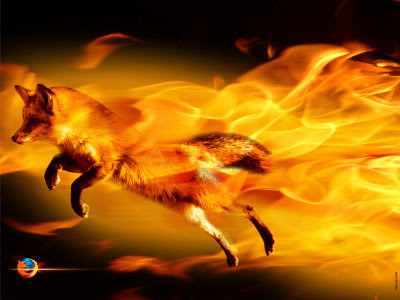
Firefox (rubah api)


Camel Toe (kaki onta)


Hotdog


Full House


Horse-Powered Car (mobil bertenaga kuda)


Firegun (senjata api)


Breast Holder (pemegang payudara)


Asshole (lubang keledai)


Wedding Crasher (penabrak pernikahan)
http://hermawayne.blogspot.com


Fruit Juice (jus buah)
http://hermawayne.blogspot.com

Drive thru (mengemudi ke dalam)
http://hermawayne.blogspot.com

CD Burner (pembakar CD)
http://hermawayne.blogspot.com

Table Periodic (meja periodik)
http://hermawayne.blogspot.com

Sea Horse (kuda laut)
http://hermawayne.blogspot.com

Root Beer (bir akar)
http://hermawayne.blogspot.com

Ironman (manusia gosokan)
http://hermawayne.blogspot.com

Firetruck (truk terbakar)
http://hermawayne.blogspot.com

Fire Dragon (naga api)
http://hermawayne.blogspot.com

Computer Mouse (tikus komputer)
http://hermawayne.blogspot.com

Apple Pie (pie apel)
http://hermawayne.blogspot.com

Dickhead (kepala ******)


Sumber: 
http://hermawayne.blogspot.com/2011/01/gambar-dengan-makna-sebenarnya.html

Selasa, 27 September 2011

Menguak Makna Coretan Tangan

Menguak Makna Coretan Tangan

Anda Nurlaila, Febry Abbdinnah


Beberapa gambar yang kerap dicoret berulang-ulang seperti bunga, bintang, kotak, panah, atau pun wajah seseorang. Menurut Rostron, bagaimana coretan tersebut digambarkan penting untuk mengetahui makna sebenarnya.

"Orang yang emosional yang selalu menginginkan harmoni dan kasih sayang cenderung menggambarkan bentuk bulat dan garis lengkung. Orang yang ramah dan praktis selalu menggunakan garis lurus dan kotak. Orang-orang berpengaruh biasa menggambarkan sudut, zigzag, dan segitiga, sementara orang yang ragu-ragu menggunakan cahaya dan garis tebal," ujarnya.

Ia pun menambahkan bahwa orang yang biasa menggambarkan dalam bentuk yang besar termasuk orang-orang yang percaya diri, sementara orang yang menggambarkan dalam bentuk kecil termasuk orang yang lebih memilih untuk mengamati daripada berpartisipasi.

Berikut beberapa bentuk gambar dan artinya.


1. Wajah
Ekspresi wajah yang digambarkan merupakan indikasi baik dari suasana hati atau karakter orang yang telah menggambarkannya. Gambar yang bagus, wajah yang cantik menunjukkan bahwa Anda melihat sisi baik pada orang lain. Jika Anda menggambarkan sketsa wajah yang aneh atau jelek, Anda mungkin seseorang yang tidak mudah untuk percaya pada orang lain.

Wajah komik menunjukkan keinginan untuk menjadi pusat perhatian. Gambar wajah anak-anak menunjukkan sebuah kebutuhan. Gambar wajah sendiri menunjukkan bahwa Anda seseorang yang introvert.

2. Papan catur

Gambar kotak-kotak hitam dan putih menunjukkan bahwa Anda adalah seseorang yang penyabar dan tekun. Mungkin Anda berada di situasi yang sulit.

Gambar tersebut juga termasuk gambar favorit orang-orang yang rentan terhadap perubahan suasana hati.

3. Bunga
Kelopak bunga yang melingkar di sekitar pusat bunga menggambarkan orang yang selalu mengedepankan urusan keluarga. Jika Anda menggambarkan bungan dengan kelopak bungan yang runcing mungkin Anda menyembunyikan sebuah kehangatan dari sikap Anda yang berhati-hati.

Jika Anda menggambarkan sekelompok bunga yang ceria, Anda termasuk orang yang suka bersosialisasi. Pucuk bunga yang menunduk menandakan Anda sedang merasa terbebani rasa khawatir.

4. Kupu-kupu

Jika Anda menggambarkan hewan-hewan yang bisa terbang seperti kupu-kupu, burung, lebah berarti Anda tidak ingin terikat atau sedang menghadapi tugas-tugas sulit.

5. Hati

Jelas, jika Anda menggambarkan hati, Anda sedang dimabuk asmara.

6. Pola yang rumit
Membuat gambar yang sulit dan sangat detil sering dikaitkan dengan orang-orang yang obsesif yang tidak akan melepaskan ambisi mereka atau cinta mereka. Jenis gambar ini juga merupakan gambar favorit dari orang yang sangat tertutup.

7. Tangga

Tangga adalah simbol dari ambisi dan keinginan untuk bekerja dengan cara Anda sendiri menaiki 'tangga-tangga' dalam kehidupan. Gambar tangga juga sering menunjukkan bahwa Anda memiliki tugas penting jangka panjang. Gambar tersebut mewakili pencarian spiritual atau keinginan untuk menjadi lebih bahagia.

8. Jangkar kapal
Jangkar kapal cenderung dikaitkan dengan seseorang yang penting dan memiliki tujuan tertentu dalam pikirannya, sadar akan tujuan pada targetnya.

Jika panah pada jangkar tajam dan bersudut, target Anda mungkin sesuatu yang penting, mungkin saingan Anda atau tugas yang sangat penting. Jika jangkar lebih mengalit dan dihiasi oleh aksen-aksen, target Anda mungkin berhubungan dengan masalah asmara atau gairah.

9. Kapal dan pesawat

Menggambar segala jenis alat transportasi menunjukkan bahwa Anda ingin
melarikan diri dari sebuah situasi.

10. Rumah

Gambar ini menunjukkan ksebuah kebutuhan akan keamanan. Gambar rumah yang rapih menunjukkan kehidupan rumah yang aman dan nyaman, sedangkan gambar yang berantakan, terutama gambar rumah tanpa jendela, menunjukkan kehidupan yang tidak bahagia di dalam rumah Anda.

Sebuah rumah yang digambarkan di atas bukit menunjukkan Anda sering
merasa terisolasi dan kesepian.

11. Jaring laba-laba

Gambar ini menyimbolkan sebuah perasaan terperangkap atau keinginan untuk menarik perhatian seseorang ke dalam sebuah hubungan atau situasi.

12. Nama atau inisial
Menggambarkan sebuah nama atau inisial adalah hal yang sangat biasa bagi mereka yang sangat menikmati menjadi pusat perhatian. Remaja yang kerap kali menggambarkan nama mereka mengindikasikan keinginan untuk melepaskan diri dari keluarga mereka dan mulai menjalani kehidupan yang mandiri.

Namun, jika Anda menggambarkan nama orang lain menunjukkan bahwa orang tersebut berada di pikiran Anda. Mungkin seseorang yang Anda cintai atau justru orang yang membawa masalah di kehidupan Anda.

13. Bintang

Bintang sering digambarkan oleh orang-orang yang ambisius. Banyak bintang kecil mengindikasikan sifat optimisme. Jika Anda menggambarkan satu bintang besar, tebal, dan bercahaya, Anda memiliki sebuah tujuan dalam langkah Anda.

Gambar bintang yang rapi menunjukkan fokus mental yang baik, sementara bintang-bintang yang asimetris menunjukkan seseorang yang energik.

14. Persegi
Jika Anda sering menggambarkan sebuah persegi berarti Anda termasuk seseorang yang ingin mengontrol situasi dan Anda berpikir untuk memecahkan permasalahan Anda.

Jika persegi yang Anda gambarkan akan terbentuk sebuah kubus, Anda cenderung orang yang sangat efisien, analitis yang dapat menangani situasi sulit.

15. Zigzag

Jika zigzag yang Anda gambarkan mengalir, lembut, dan terdiri dari banyak garis melengkung, Anda termasuk orang yang romantis. Jika pola yang Anda gambarkan terdiri dari banyak garis lurus yang tajam, maka Anda merupakan orang yang agresif dan maskulin.

Gambar zigzag menunjukkan sebuah pemikiran energik dan keinginan untuk
mendapatkan sesuatu.

16. Tongkat

Umumnya digambarkan oleh orang-orang yang sukses, tongkat sederhana mengungkapkan seseorang yang mengendalihan emosi mereka dan sangat terfokus pada tujuan hidup mereka.

Sumber:
               http://kosmo.vivanews.com/news/read/246684-menguak-makna-di-balik-coretan-tangan